


Why Environmental Education Matters More Than Ever
BY SALONI SAWANT
“I cannot wait to take a break from work and go on a vacation.”
Most of us have said this at some point, or at least thought it. When life grows crowded and loud, we look toward wild spaces for relief. We imagine seeing a sunset on a quiet beach, hiking up a misty hill, or simply watching birds fly past our window. In our minds, nature becomes an escape from the concrete maze of cities, a place where air feels lighter, water runs clean, and where the body and mind finally rest.

But this image is drifting further from reality.
Across the world, landscapes are changing faster than we can imagine. Mountains of garbage rise at city edges. Rivers carry plastic alongside water. Smog hangs low over towns and villages. Forests thin, wetlands dry, coastlines retreat. The sounds of saw-drill machines and falling trees cut through places that were once hard to reach. And the damage does not stop with habitats being degraded, animals losing their homes, or plants disappearing from once thriving ecosystems. Human lives are tightly woven into the same systems. Polluted water leads to illness. Extreme heat affects everyone. Dirty air makes breathing difficult. Floods and droughts threaten crops and incomes. And so the fate of people and the fate of nature are in some way, interconnected.

Yet even in this uneasy moment, there are small pockets of hope.
Sunlight still filters through leaves in city parks. Birds build nests on balconies. Seeds split open and sprout through cracks in concrete. These quiet wonders continue every day, often unnoticed, and they are exactly what is worth protecting. To care for them, we must begin where lasting change always begins, with how we first learn to see, with the younger generation.
It is often said that young minds are open to new ideas. If children grow up surrounded only by buildings and phone screens, nature can begin to feel distant, like something locked inside textbooks or films. But when homes and schools make room for soil under fingernails, for insects watched closely, and for trees named, a different relationship forms.

Teaching young people about forests, oceans, insects, soil, and climate helps them understand that nature is part of daily life. A tree outside a classroom window becomes part of a larger story about shade, oxygen, birds, and rainfall. A lesson about plastic waste opens conversations about consumption and responsibility. School gardens, outdoor classes, visits to wetlands or neighbourhood parks, and time spent watching butterflies can spark a connection that lasts a lifetime.
This connection needs to be nurtured throughout life because many of us lose closeness to the natural world as we grow older. Pressed by adult responsibilities, we slowly drift indoors with our days filled with traffic, meetings, and chores. The tree that once fascinated us becomes just another part of the street. The soil we once played in becomes something that might stain our clothes. The birds we once tried to sing back to fade into background noise.
Reconnecting does not require long journeys or expensive escapes. It can begin quietly. A morning walk where birdsong replaces traffic for a few minutes. Sitting beside a lake or under a familiar tree. Growing herbs on a windowsill and watching them lean toward the sun. Following ants across warm pavement after rain. These small acts slow us down and remind us that we live inside living systems, not apart from them.
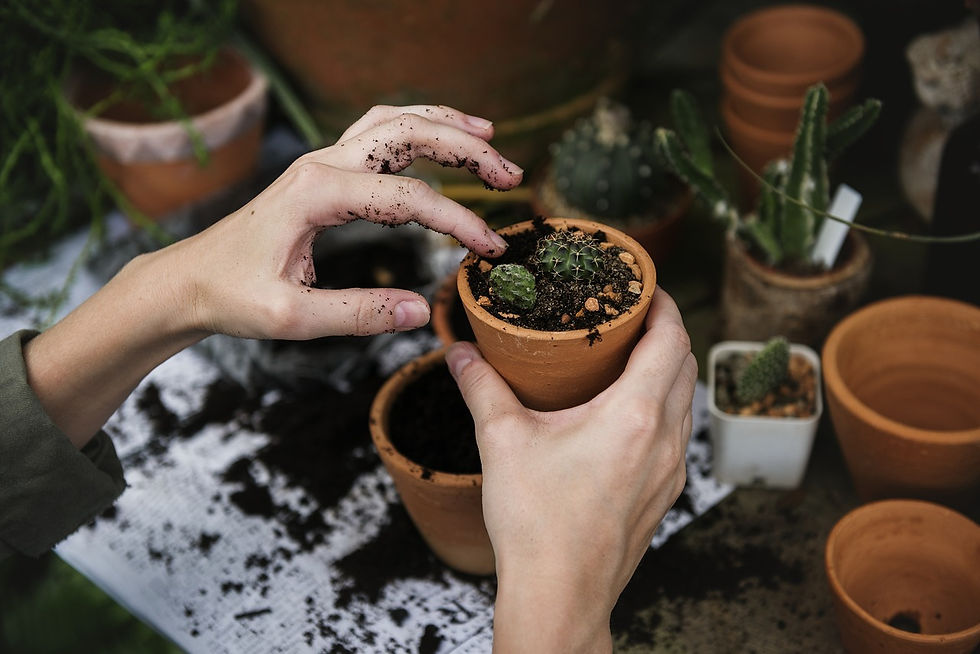
Spending time close to nature changes something inside us. When you have watched tadpoles flicker in a pond, polluted water becomes harder to ignore. When you rest beneath an old tree, the thought of it being cut down feels personal. When you walk through a forest alive with sound, the idea of silence settling there becomes unbearable. The more we care, the more likely we are to protect.
World Environmental Education Day reminds us that attention cannot be limited to a single date on the calendar. The planet does not need a handful of perfect heroes. It needs millions of ordinary people choosing each day to live a little more gently. A livable future is shaped through countless daily actions. Using electricity and water wisely. Walking, cycling, or choosing public transport when possible. Buying less, repairing more, refusing unnecessary plastic.

There are also small, practical steps we can take. Carry a reusable bottle. Pick up litter on your next walk. Plant something, even if it is only a seed in a pot. Join a local clean-up or conservation group. Reduce what you throw away. Teach a child the name of a bird. Step outside more often and let the world tell you its story.

World Environmental Education Day is not only about saving the Earth for today or tomorrow. It is about caring for the home we share right now and ensuring that it remains.

ABOUT THE AUTHOR
Saloni Sawant is a Bangalore based science communicator and content editor at Nature inFocus, where she curates stories from the natural world. She holds a master’s degree in conservation practice and works across articles, photostories, films, podcasts, and other digital platforms to bring lesser known environmental stories to wider audiences. When not chasing stories, she is usually lazing on trees.


