


Valentine’s Day: A Little Less Roses, A Little More History
February 14th is known everywhere as Valentine’s Day. It’s a day filled with heart-shaped cards, chocolates, roses, romantic dinners, and sweet gestures. Everywhere you look, love is being celebrated in bright reds and soft pinks. But somewhere between all the decorations, gift exchanges, and perfectly planned moments, the real story behind Valentine’s Day often gets forgotten. Beneath the romance lies a history that’s far more complex, layered with legends, traditions, and surprising origins that most of us rarely stop to think about.
So, through this blog, I want to pause for a moment and look beyond the surface of Valentine’s Day. I’ll be sharing two things: a brief look at where the day actually comes from, and some surprisingly interesting (and slightly strange) stories that changed the way I see it.
So, where did Valentine’s Day really begin?
The Valentine’s Day we know today is soft, romantic, and full of love. But its origins? Not so sweet. In fact, they’re quite dark—and honestly, a little shocking.
The story goes back to ancient Rome, where a mid-February festival called Lupercalia was celebrated with rituals linked to fertility and the coming of spring. Later, the Christian Church honored a martyr known as Saint Valentine on February 14. In the 5th century, Pope Gelasius I officially declared this date as St. Valentine’s Day, gradually replacing the pagan festival. Over time, these traditions blended and softened, transforming from ritual and remembrance into the heartfelt celebration of love we know around the world today.

Who was Saint Valentine?
That’s where things get interesting—because there isn’t just one clear answer.
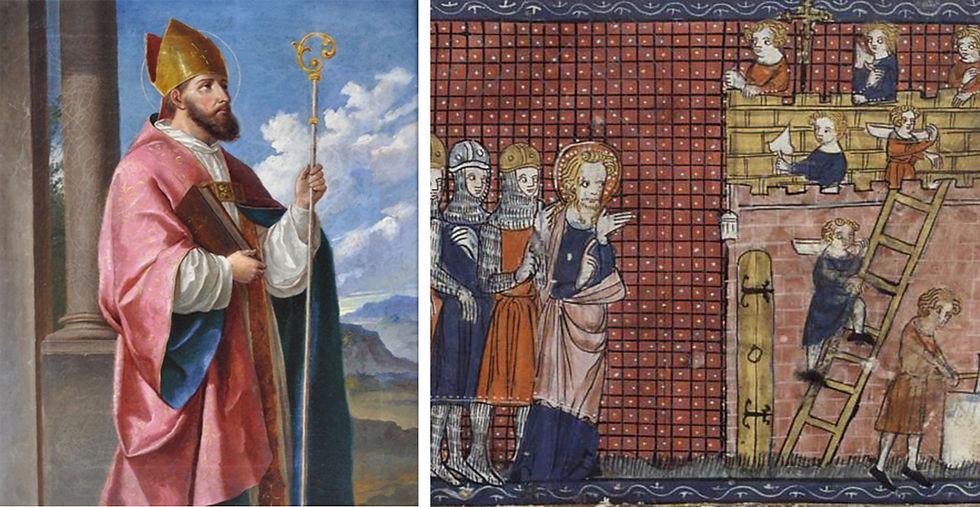
One popular story talks about St. Valentine of Rome, a priest who lived around 270 AD. At the time, Emperor Claudius II had banned soldiers from getting married, believing single men made better warriors. Valentine didn’t agree. He secretly performed weddings for young couples and was eventually arrested and executed for it.
Another version of the story describes Valentine as a Roman priest and physician who refused to give up his Christian faith. While imprisoned, he is said to have healed the jailer’s blind daughter. Legend says he fell in love with her and, before his execution, wrote her a letter signed “from your Valentine.” Sound familiar?

Maybe there wasn’t just one Valentine
What makes the story even more confusing is that historians believe there may have been more than one Saint Valentine. There’s also St. Valentine of Terni, and both were martyred around the same time. No one really knows which one the holiday was originally meant to honor—or if it was a mix of both.
Yes, Saint Valentine has a skull
Here’s where things take a slightly creepy turn.
A skull believed to belong to Saint Valentine is kept in a glass case at the Basilica di Santa Maria in Cosmedin in Rome, decorated with flowers. But here’s the catch—around ten different places across the world claim to have relics of Saint Valentine.
Since there were multiple Valentines and centuries passed before relics were carefully documented, it’s nearly impossible to know which remains truly belong to him. Mysterious, right?

How did Valentine’s Day become about love?
Surprisingly, we can thank a poet for that.
Geoffrey Chaucer, a famous English writer from the 14th century, was the first to link Valentine’s Day with romance. In his poem Parlement of Foules, he wrote about birds choosing their mates on Valentine’s Day.
This poetic idea slowly caught on, and over time, Valentine’s Day became associated with love and courtship. There’s no solid proof that the day was about romance before Chaucer—but sometimes poetry has that kind of power.

Why red roses?
Red roses weren’t always the obvious symbol of Valentine’s Day romance. Their popularity can be traced back to Lady Mary Wortley Montagu, an 18th-century English writer who traveled to Constantinople in 1717 with her husband, the British ambassador. In letters she sent home, she described a Turkish custom called “sélam.” In reality, sélam was a playful exchange of objects that rhymed with certain words to send lighthearted messages. But Montagu interpreted—or perhaps romanticized it as a secret floral code used by women to communicate hidden feelings.
When her letters were published in the 1760s, Europe became enchanted with the idea of a mysterious “language of flowers.” The concept grew even more popular after appearing in the French book Langage des Fleurs, and roses—already admired for their beauty—were soon associated with love, passion, and secret devotion. Thanks to this cultural misunderstanding and Montagu’s influence, red roses blossomed into the ultimate symbol of romance we recognize every February 14th.

XOXO wasn’t always hugs and kisses
Today, “XO” means hugs and kisses—but that wasn’t always the case
.
In the Middle Ages, many people couldn’t read or write, so they signed documents with an “X.” This symbol also represented the Christian cross and trust. After signing with an X, people would kiss it to show sincerity—hence, “sealed with a kiss.”
Later, during World War I, soldiers used the term SWAK (Sealed With A Kiss) in letters home. Over time, the “X” became a symbol of a kiss.
The “O” is a bit more mysterious. Some believe it represented a hug, possibly used by people who didn’t want to use the Christian cross. Others think it may have come from the game tic-tac-toe. Either way, together they became the loving sign-off we know today.
And who exactly is Cupid?
Cupid comes from Roman mythology and represents desire, attraction, and love. He’s often shown as a chubby winged child with a bow and arrow. Anyone struck by his arrow would fall hopelessly in love.
Cupid is the Roman version of the Greek god Eros. Over time, artists changed his image from a youthful figure to the playful child we recognize today.
There’s also an interesting link between Cupid and Saint Valentine. Legend says Valentine wore a purple amethyst ring engraved with Cupid, which Roman soldiers recognized. This may be why amethyst became February’s birthstone and is believed to attract love.
Cupid is often shown blindfolded, symbolizing that love can be irrational and impulsive. Shakespeare beautifully described this idea in A Midsummer Night’s Dream(1590s), reminding us that love isn’t always logical—it’s emotional, spontaneous, and sometimes confusing.
Love looks not with the eyes, but with the mind
And therefore is winged Cupid painted blind.
Nor hath love's mind of any judgement taste;
Wings and no eyes figure unheedy haste.
And therefore is love said to be a child
Because in choice he is so oft beguiled.

Looking beyond the hearts
Valentine’s Day may look rosy today, but its history is layered, messy, and full of unanswered questions. Some stories are romantic, others dark, and many are lost somewhere in time.
Learning about its past reminded me of how love itself works. The spark is exciting, but real love grows deeper with understanding, patience, and time.
At Two Talking Parrots, we choose to celebrate love in all its positive forms—connection, kindness, and warmth. So however you choose to spend your day, here’s wishing you a thoughtful, love-filled Valentine’s Day!
-SWAK❤️


